


Institute for Neuroscience
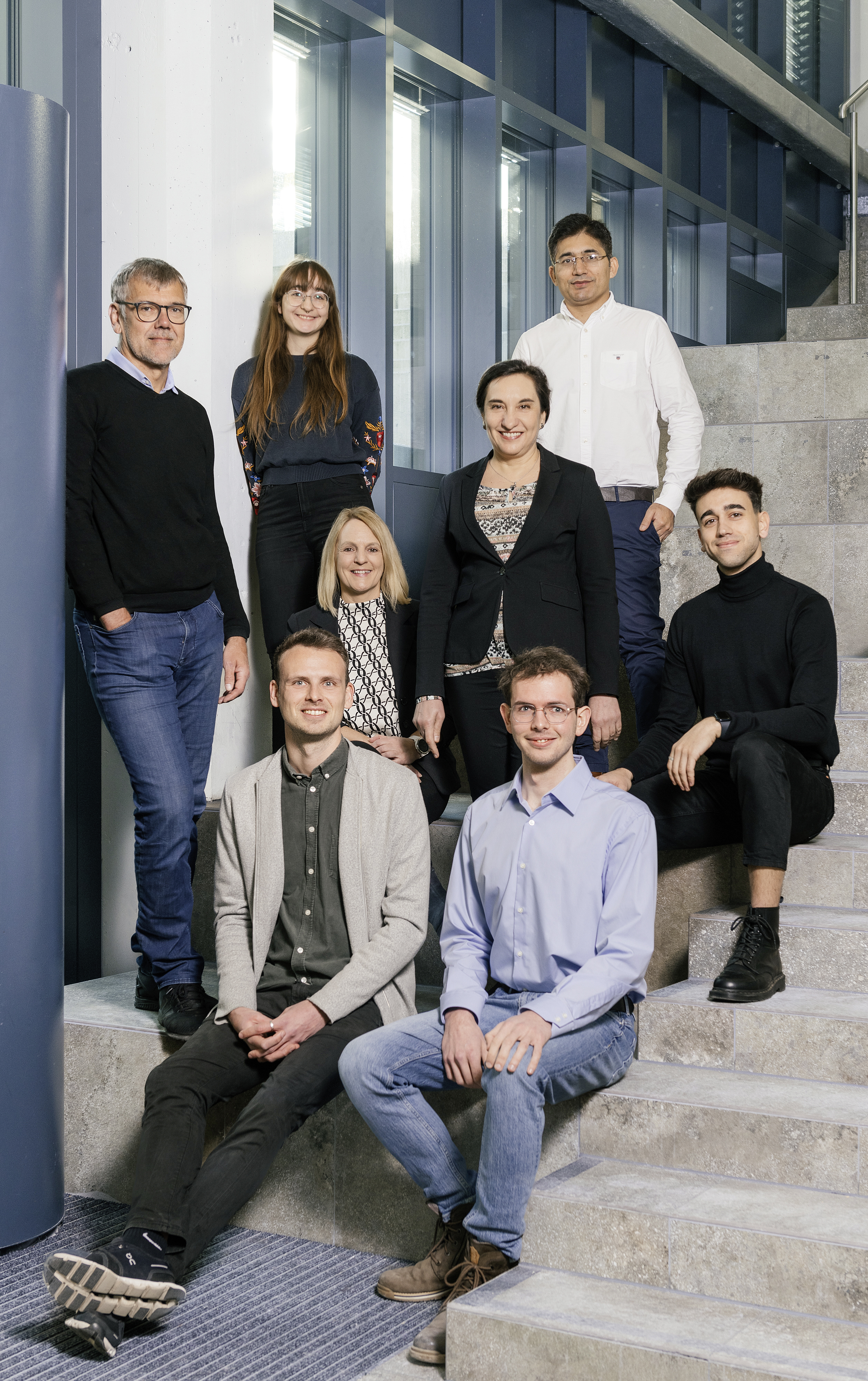
Staff
| Univ. Prof. Georg Dechant, PhD Director of the Institute | Phone: +43 (0)512/9003-71250 E-Mail: georg.dechant@i-med.ac.at |
| Sieglinde Morak Secretary | Phone:+43 (0)512/9003-71251 Fax: +43 (0)512/504-27390 E-Mail: sieglinde.morak@i-med.ac.at |
| Assoc. Prof. Galina Apostolova, PhD Associate Professor | Phone: +43 (0)512/9003 71254 E-Mail: galina.apostolova@i-med.ac.at |
| Lindsay Hohsfield, PhD Research Group Leader | Phone: +43 (0)512/9003- E-Mail: lindsay.hohsfield@i-med.ac.at |
| Nico Robin Wahl, PhD Postdoctoral Researcher | Phone: +43 (0)512/9003-71257 E-Mail: nico.wahl@i-med.ac.at |
| Mujahid Ali, PhD Postdoctoral Researcher | Phone: +43 (0)512/9003-71253 E-Mail: mujahid.ali@i-med.ac.at |
| Jesus Gonzalez Outumuro, MSc PhD Student | Phone: +43 (0)512/9003-71253 E-Mail: Jesus.Gonzalez@i-med.ac.at |
| Lisa Moosmann, BSc Master Student | Phone: +43 (0)512/9003-71253 E-Mail: Lisa.Moosmann@i-med.ac.at |
Research Interest
Univ. Prof. Georg Dechant, PhD
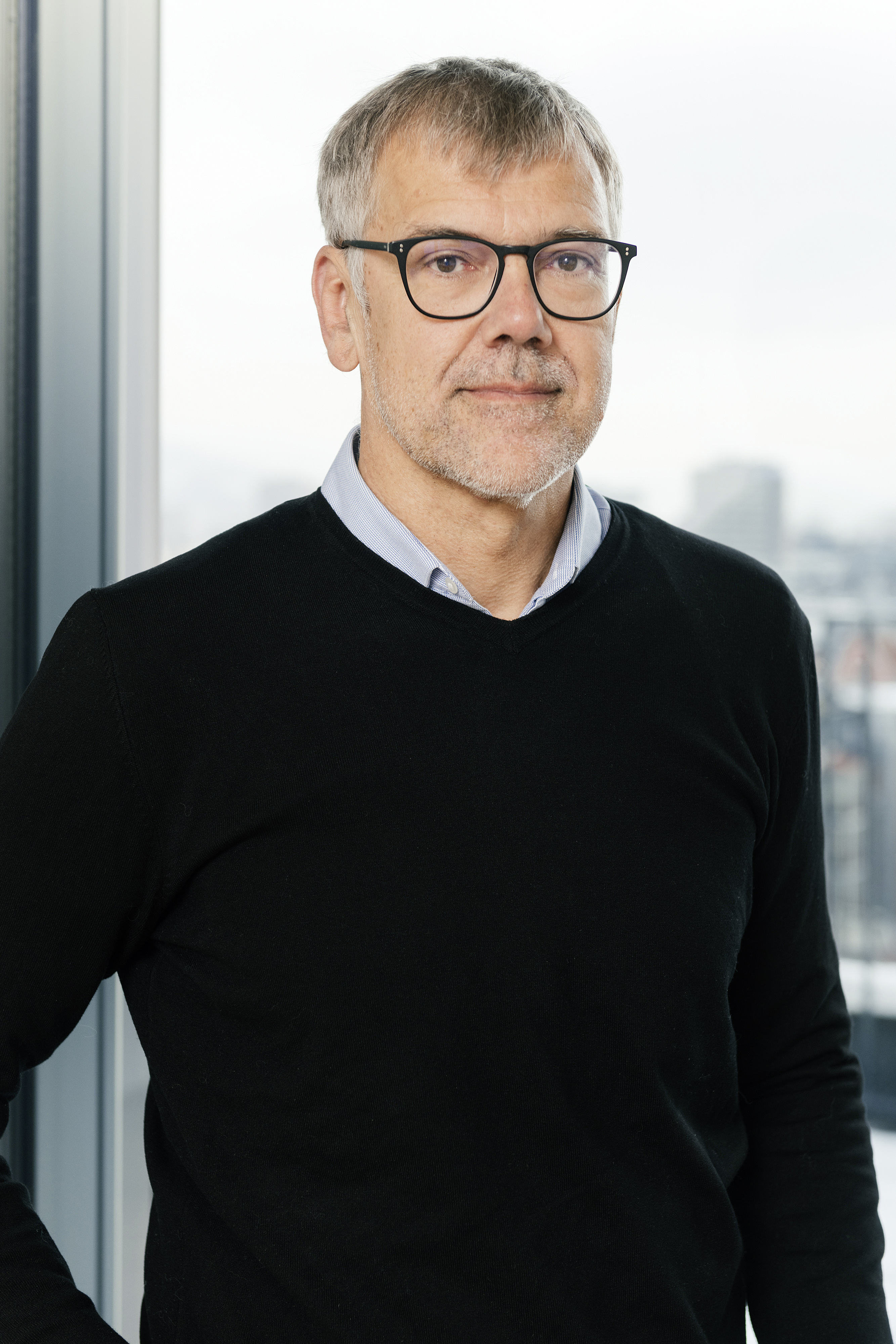
Role: Univ.-Prof. & Director
Email: Georg.Dechant@i-med.ac.at
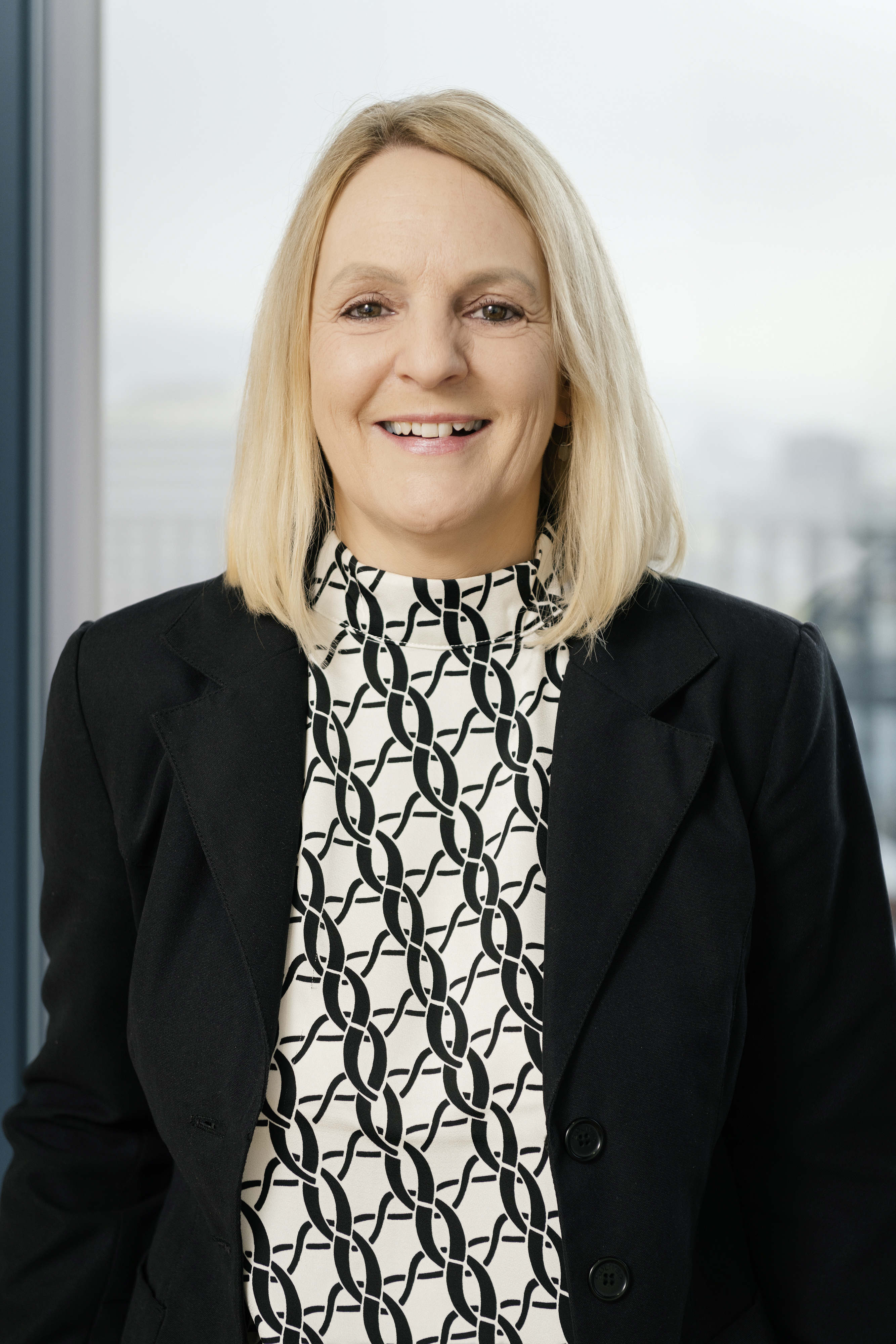
Role: Secretary
Email: Sieglinde.Morak@i-med.ac.at
Assoc. Prof. Galina Apostolova, PhD
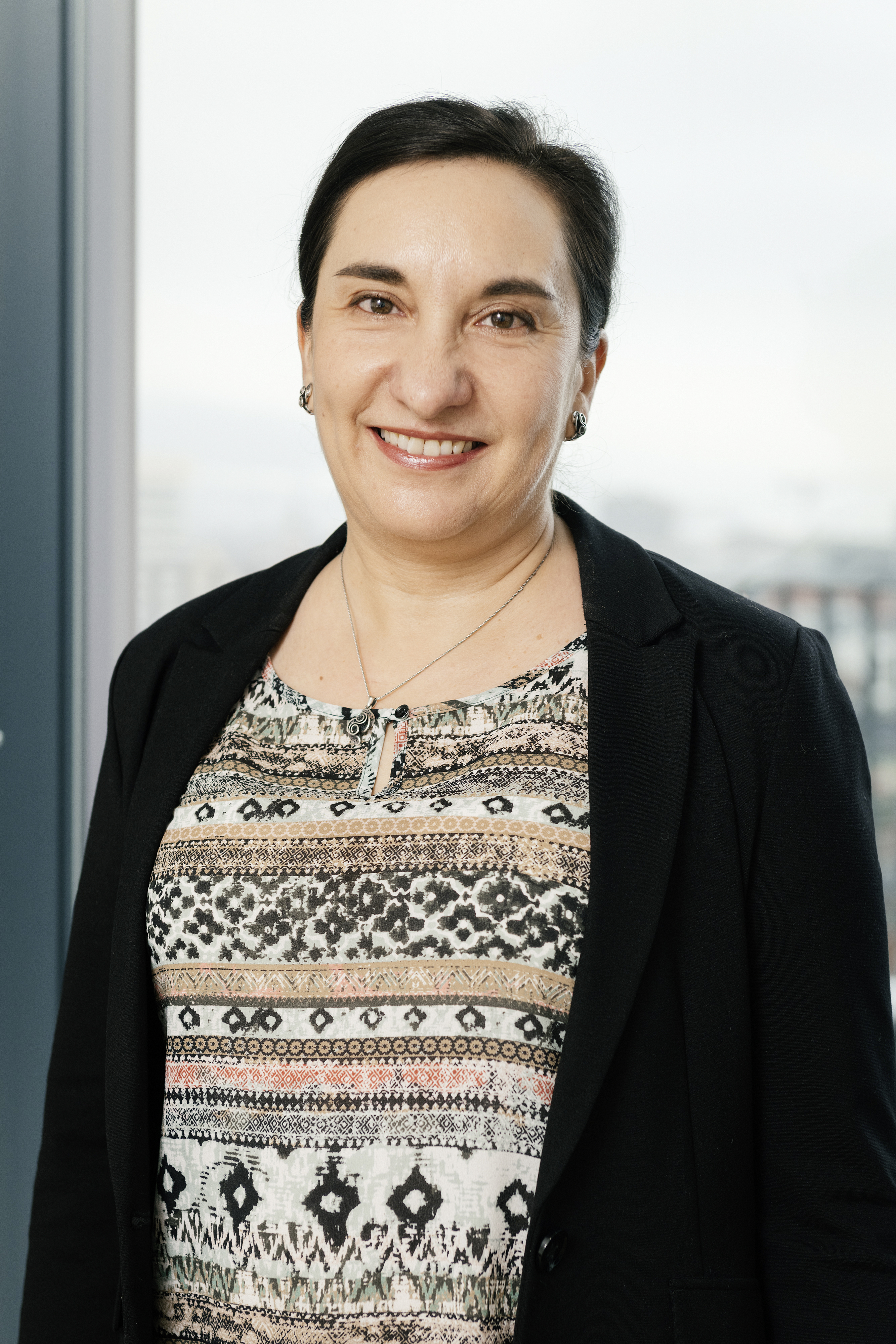
Role: Assistant Professor
Email: Galina.Apostolova@i-med.ac.at
A major focus of my research is to study the role for spatial genome organization and nuclear architecture in aspects of neuronal function associated with memory consolidation and cognition. We are employing mouse genetic models of the chromosomal architectural protein SATB2 and a combination of biochemical, cell biological methods, and high-throughput next-generation sequencing to understand how alterations in chromatin looping and/or tethering of chromatin to the nuclear lamina can orchestrate programs of gene expression that underlie long-term neuronal plasticity. We are also using behavior analyses in loss-of-function models to uncover the functional significance of 3D genome topology and nuclear lamina-directed genome organization for adaptation to novel environments, learning behaviors and memory formation.
In humans, rare de novo alterations in SATB2 locus cause a syndrome characterized by developmental delay and severe intellectual disability, whereas common variation is linked to general intelligence and risk for schizophrenia. In collaboration with D. Morris (National University of Ireland), we recently demonstrated that the genes regulated by SATB2 as well as the genes encoding SATB2 interacting proteins are highly constrained. Rare high impact mutations in these genes cause severe cognitive disorders whereas common low impact variants influence cognitive ability in the general population and contribute to schizophrenia and educational attainment. Our long term goal is to gain deeper insights into SATB2 molecular functions in the brain and to understand how defects in the chromatin loop establishing/stabilizing machinery in the neuronal cell nucleus could lead to cognitive dysfunction and memory impairments.
We believe that differentiated postmitotic neurons in order to sustain the demands for lifelong performance and respond to varied environmental stimuli with long-lasting changes in structure and physiology are equipped with specialized mechanisms to reconfigure their 3D genome on a large scale and in a dynamic fashion. Our long-term goal is by studying these mechanisms to facilitate the discovery of novel intranuclear drug targets for treatment of cognitive impairment and mental illness.
Courses offered for the PhD/master students at the Medical University of Innsbruck:
- Functional Neurogenomics
- Neural Development and Differentiation
Lindsay Hohsfield, PhD
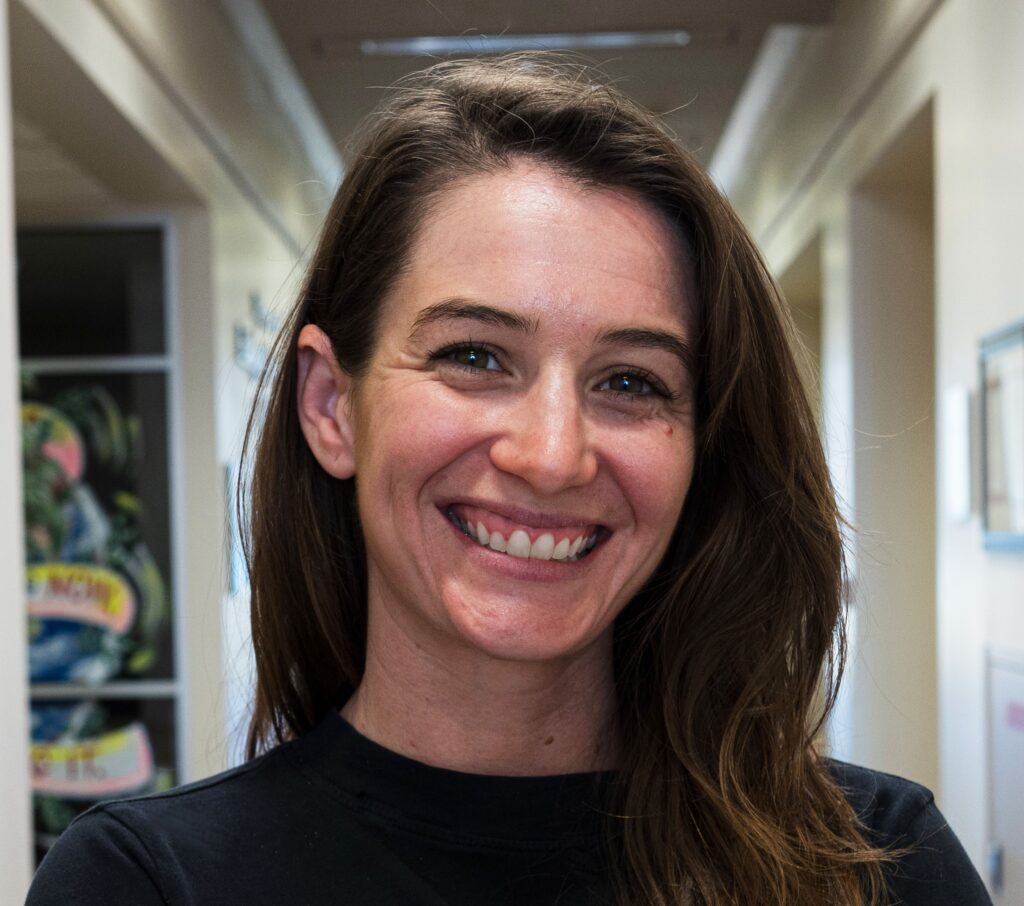
Lindsay Hohsfield, PhD, is a Research Group Leader in the Department of Neuroscience at the Medical University of Innsbruck, and an APART-US Fellow of the Austrian Academy of Sciences. She leads the Hohsfield Lab, a neuroimmunology research group investigating how the immune system and CNS neuroimmune interfaces — the meninges, choroid plexus, and perivascular space — contribute to neurodegenerative disease, including Alzheimer’s disease. Her work integrates mouse models of neurodegeneration with confocal and advanced imaging, fate-mapping, and spatial omics to uncover the cellular and molecular basis of neuroimmune dysfunction in disease. In 2025, she led the discovery and characterization of the velum interpositum as a functionally important neuroimmune interface whose cellular composition and activity are altered in disease, published in Neuron. Her independent research program builds on this discovery to investigate how neuroimmune interface dysfunction contributes to cerebral amyloid angiopathy, Alzheimer’s disease, and other neurodegenerative conditions.
Dr. Hohsfield received her BA from the University of Colorado Boulder, completed a postbaccalaureate intramural research fellowship at the NIH’s National Institute of Allergy and Infectious Diseases, and earned her doctorate in Neuroscience from the Medical University of Innsbruck as a Fulbright Scholar. She subsequently trained as a postdoctoral fellow and later served as Project Scientist and Associate Researcher in the laboratory of Dr. Kim Green at the University of California, Irvine.
Alongside her basic science program, she has launched a clinical and translational research program focused on familial Alzheimer’s disease (FAD), examining how the particular circumstances of FAD — including genetic certainty and early onset — shape research participation and clinical trial access. She was selected for the IMPACT-AD Fellowship in clinical trial innovation, and is co-founder of Youngtimers, the only nonprofit dedicated exclusively to FAD families.
Dr. Hohsfield’s work has been recognized with numerous prestigious awards, including the Carl W. Cotman Scholar’s Award and the Alzheimer’s Association Research Fellowship. Her 2025 Neuron paper was featured in Nature Reviews Neuroscience, Neuron Preview, and Alzforum. She has received co-investigator funding on two NIH grants examining microglial biology and Alzheimer’s disease, and currently serves as Principal Investigator on a UCI ICTS Campus-Community Research Incubator Award.
Her long-term goal is to translate fundamental discoveries about the brain’s immune landscape into improved therapeutic avenues for Alzheimer’s disease — so that fewer families have to face the devastating loss that this disease brings.
The Hohsfield Lab is actively recruiting PhD and Master’s students. Interested candidates are encouraged to lindsay.hohsfield@i-med.ac.at.
Nico Wahl, PhD
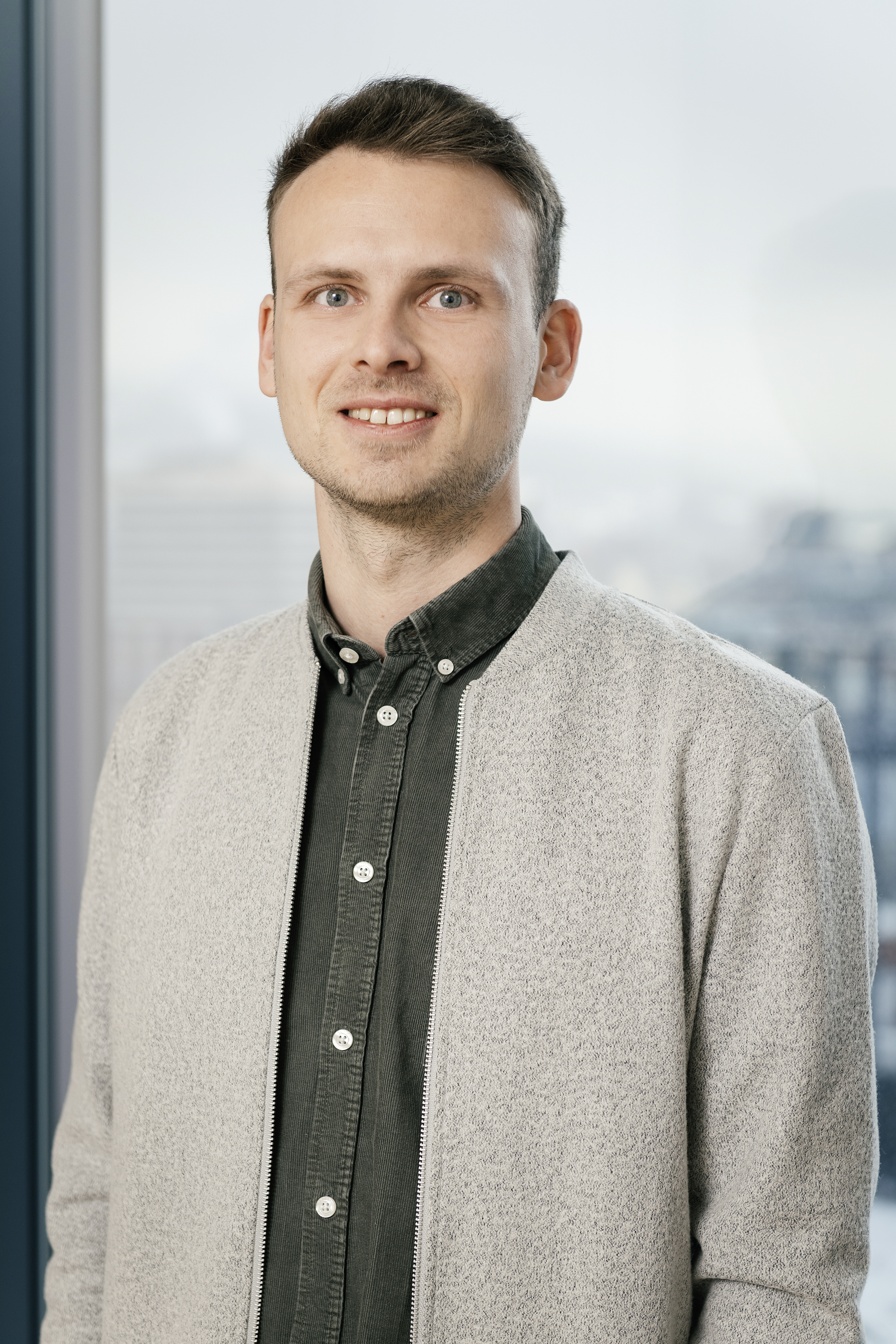
Role: Postdoctoral Researcher
Email: Nico.Wahl@i-med.ac.at
Nico is interested in higher order chromatin organization and the epigenetic mechanisms underlying memory formation. In his research he focuses on cortical excitatory neurons, genotype differences and activity dependent mechanisms. His aim is to identify novel targets of known intelligence associated regulatory elements.
Nico joined the Dechant lab in October 2017 and is part of the SPIN Neuroscience excellence program. He obtained his M.Sc. at the Management Center Innsbruck and wrote his Master Thesis at the Rockefeller University, New York in the laboratory of Tom Tuschl. There he first gained insight into transcriptomic research and helped establish the 10xGenomics single cell RNA sequencing platform. At the end of 2018 he went to Mount Sinai, New York to work with Schahram Akbarian, M.D., PhD. and Kristen Brennand, PhD. to learn novel techniques to study chromatin dynamics and how to derive excitatory neurons form human induced pluripotent stem cells (iPSCs).
Mujahid Ali, PhD
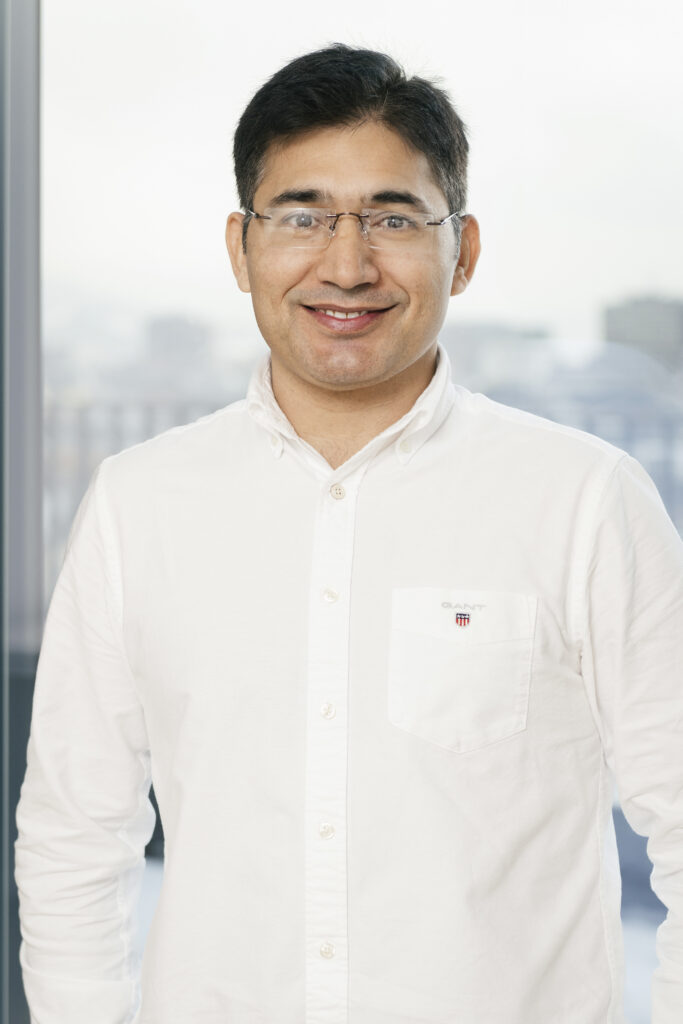
Role: Postdoctoral Researcher
Email: Mujahid.Ali@i-med.ac.at
Ali is interested in studying 3D chromatin organization and epigenetic mechanisms associated with learning and memory in response to the turnover of molecular targets in the hippocampus. He aims to uncover the regulatory role of novel molecules in the pyramidal neurons involved in learning, particularly in the context of early life stress and its long-lasting effect on gene regulation and social behavior.
He completed a joint Master’s degree from IMC Krems in Austria and the University of Cambridge in England. During his Master’s studies, he studied the transcriptome of resistance and susceptible genes in response to Nora and IIV6 viruses in DGRP lines. This experience provided him with a strong foundation in molecular biology and genomics. Continuing his academic journey, in 2016, he joined the doctoral program in the Zhou lab at the Department of Neurosciences, University of Vienna. In his Ph.D., he studied the epigenomic chromatin landscapes and 3D genome organization during the development of Drosophila. This work allowed him to develop expertise in analyzing high-throughput sequencing data, utilizing cutting-edge techniques, and unraveling the intricate relationship between epigenetics and genome architecture, which drove him a curiosity for understanding the molecular underpinnings of neurodevelopment of spatial learning and memory.
Jesus Gonzalez Outumuro, MSc
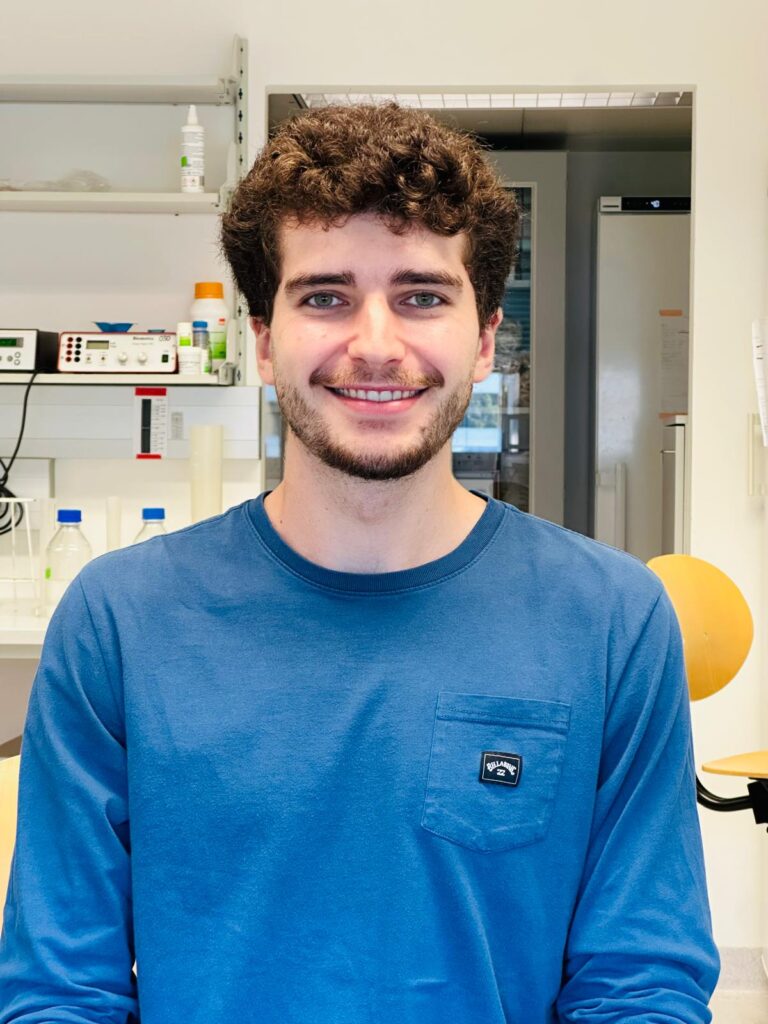
Role: PhD Student
Email: Jesus.Gonzalez@i-med.ac.at
Lisa Moosmann, BSc
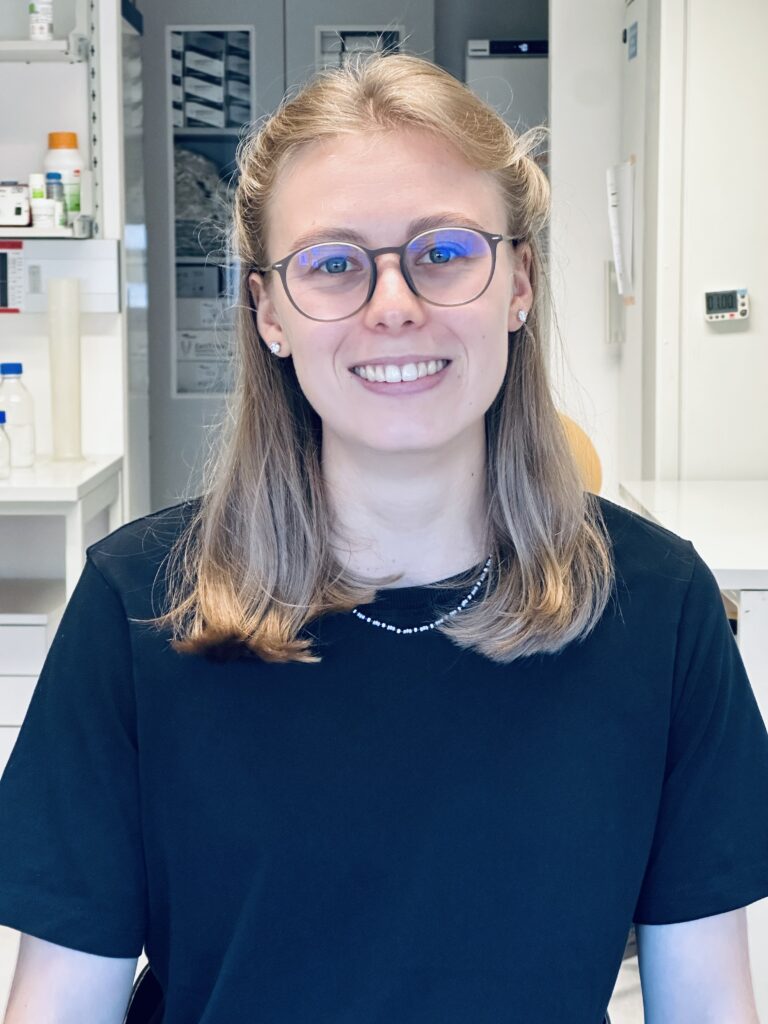
Role: Master Student
Email: Lisa.Moosmann@i-med.ac.at
Alumni
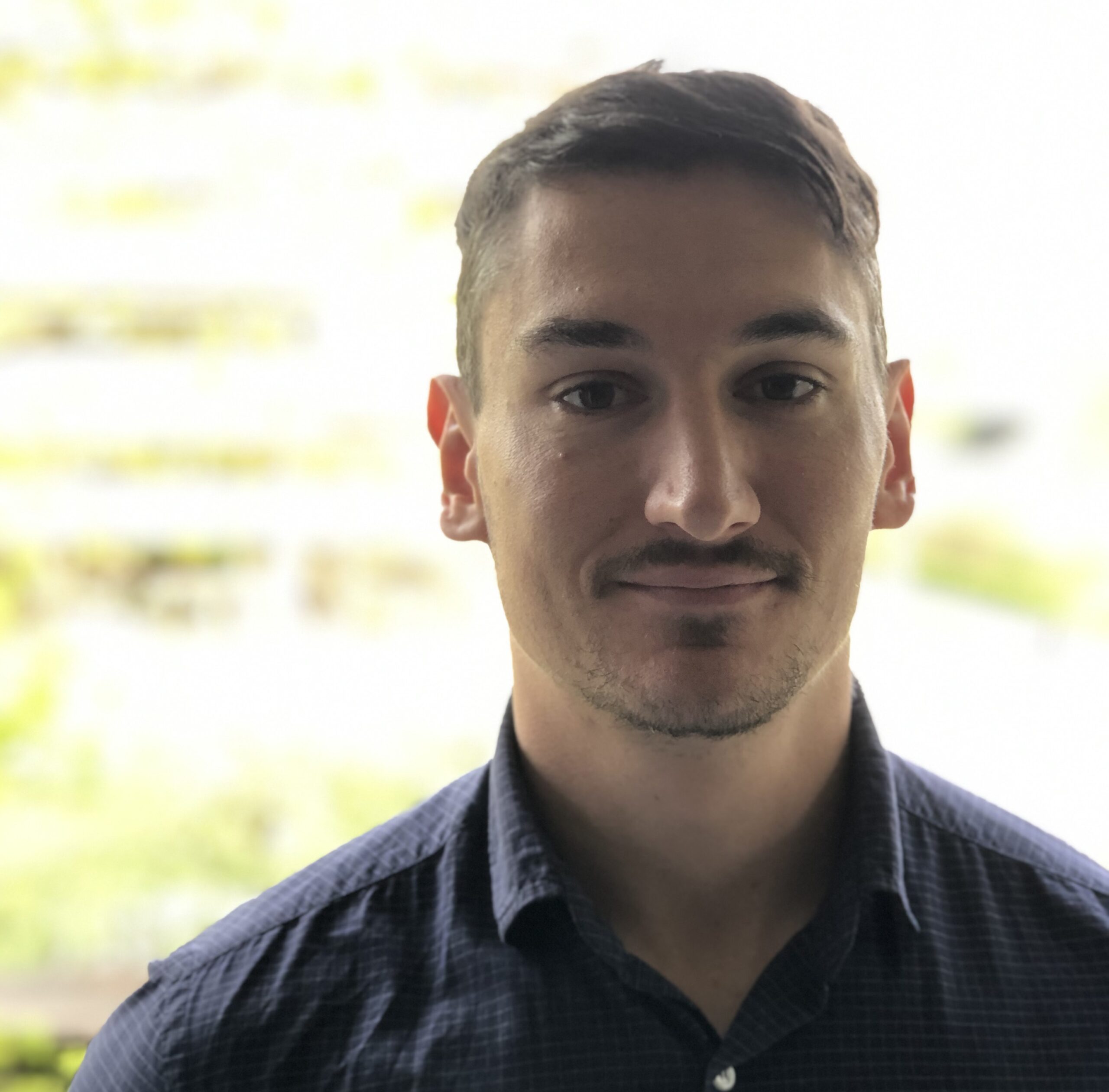
Patrick Feurle, PhD
Former PhD Student
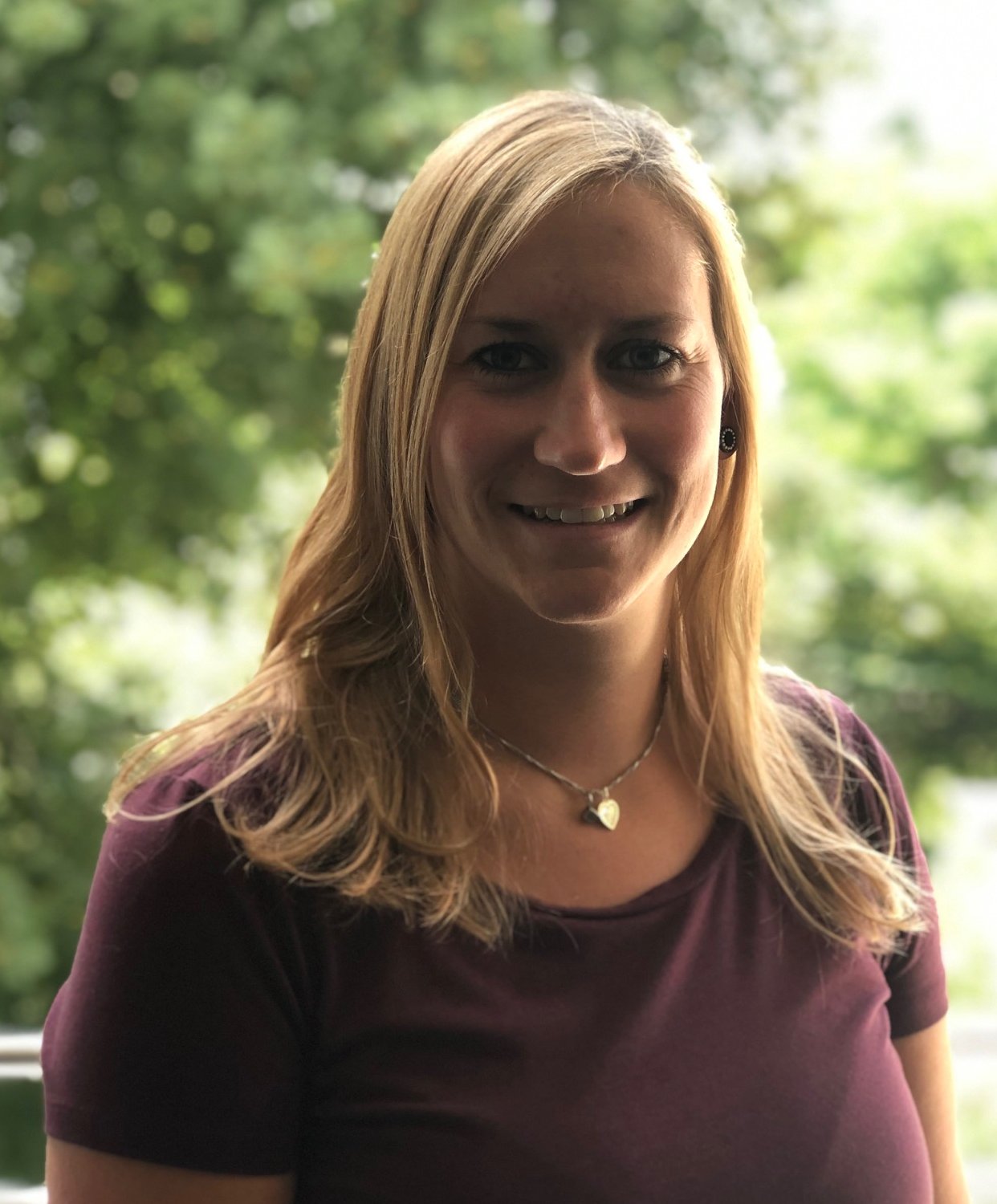
Jessica Popottnigg, MSc
Former Master Student & Research Assistant
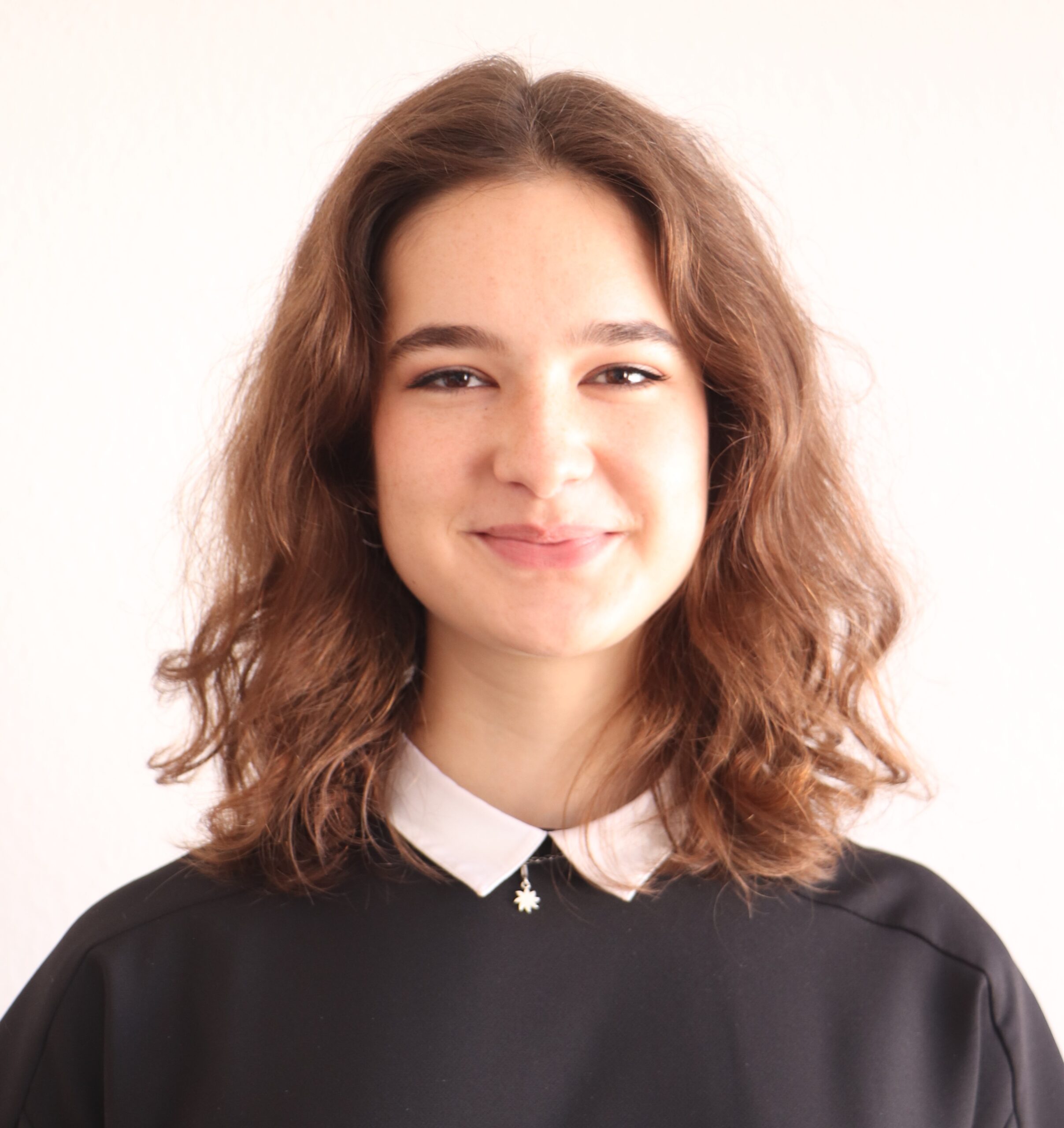
Amelie Nagel, MSc
Former Master Student
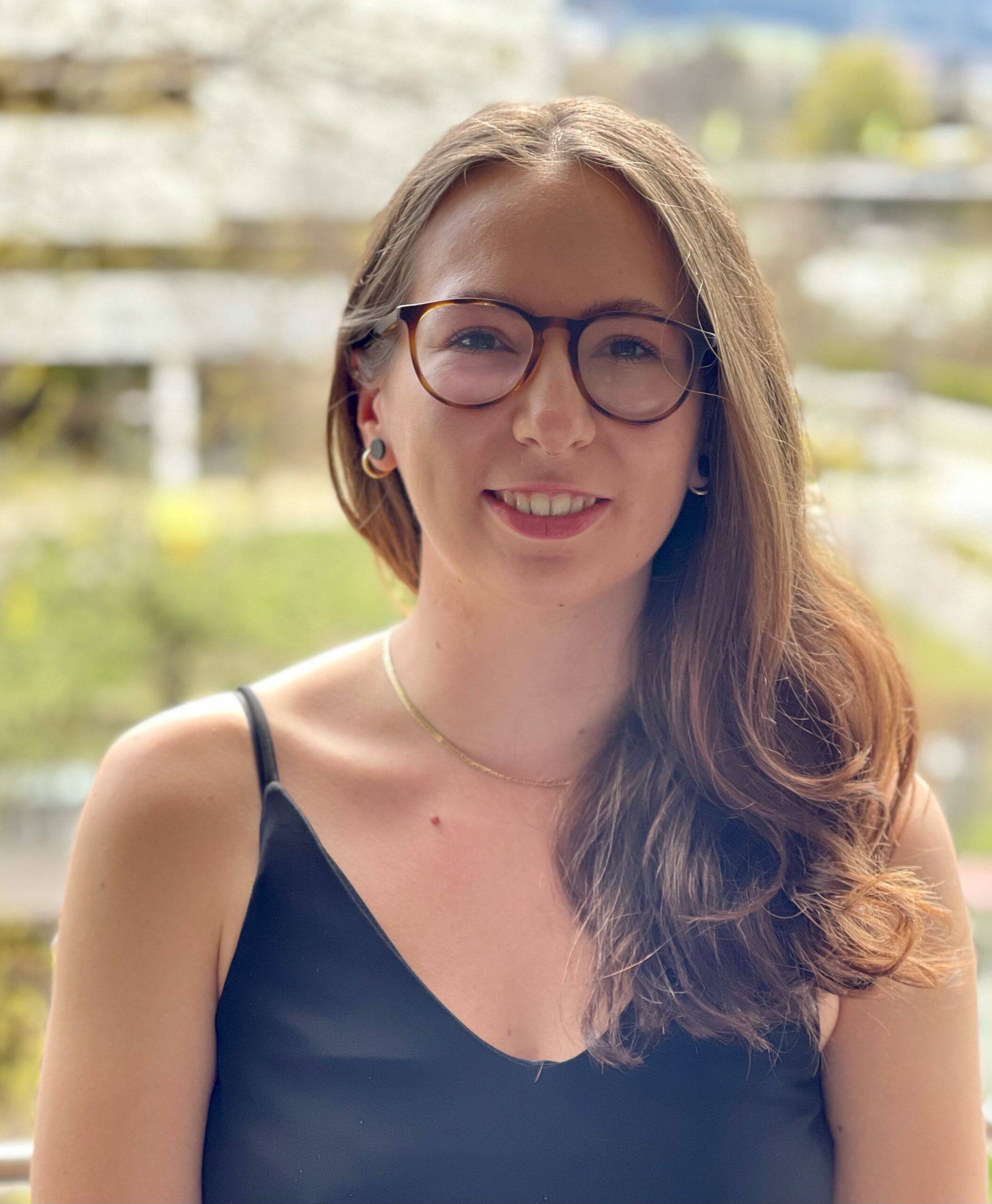
Diana Daum, MSc
Former Master Student
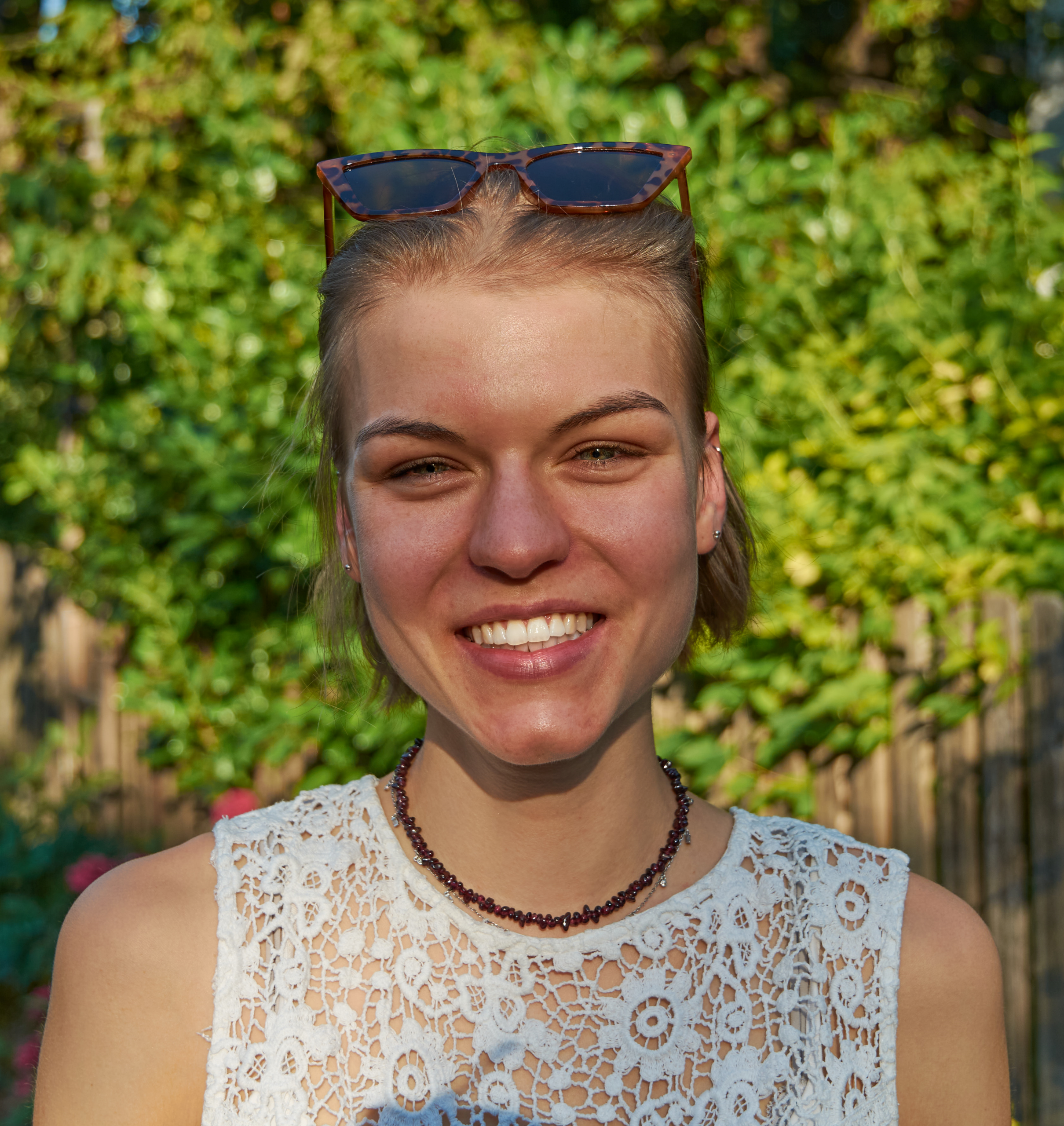
Heidrun Berger, MSc
Former Master Student
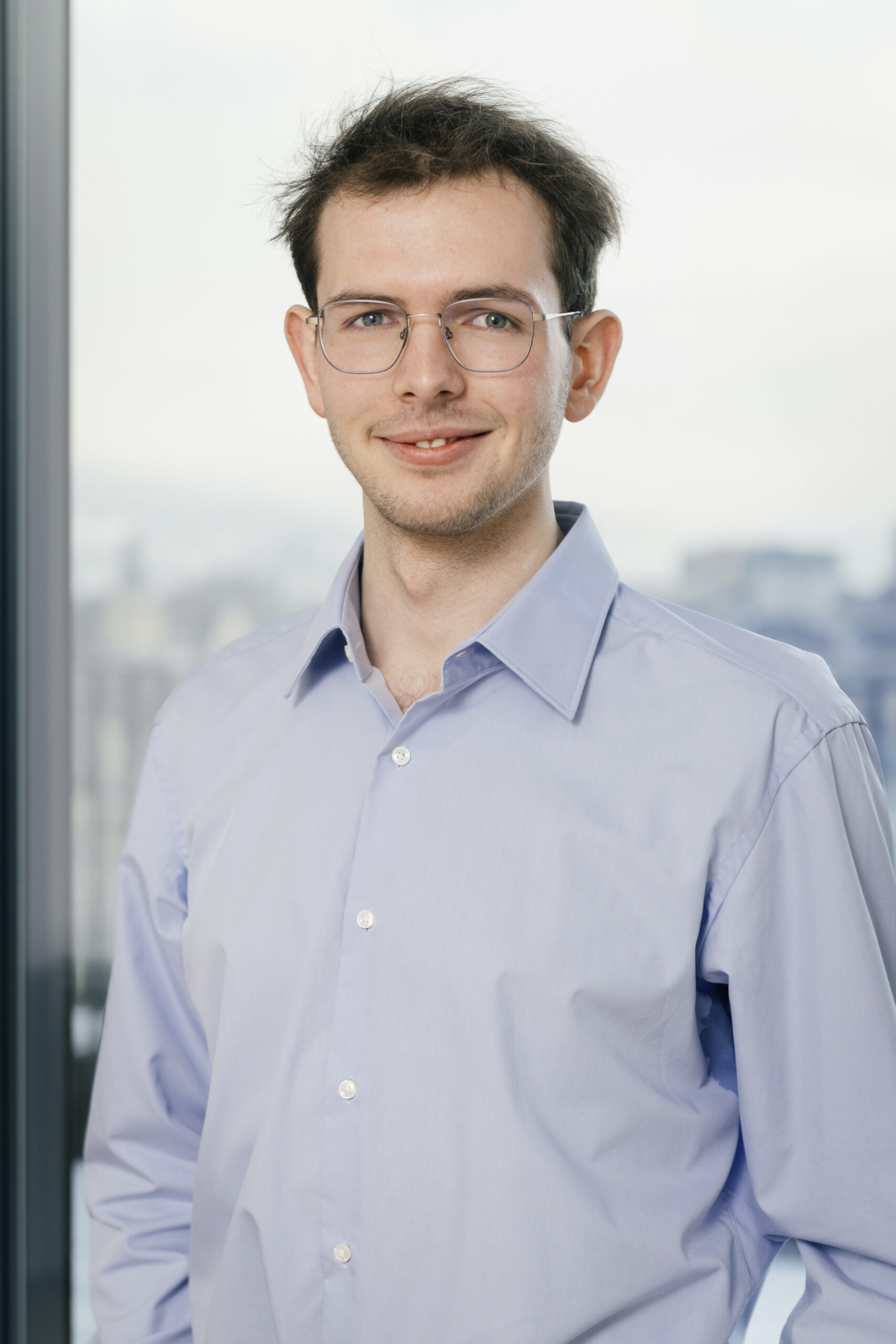
Fabian Rinner
Former Medical Diploma Student
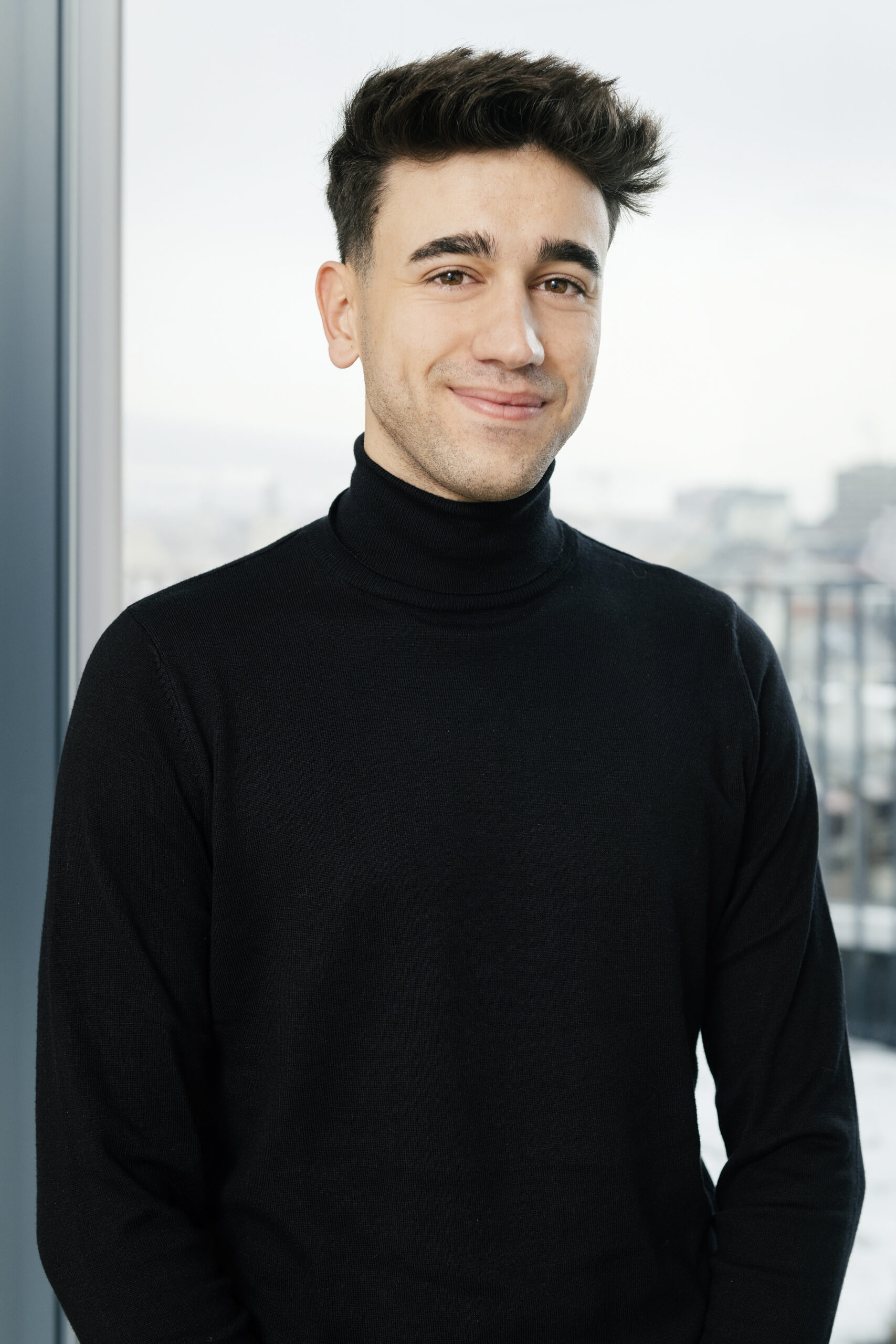
Adrián González Díaz, M.Sc.
Former PhD Student
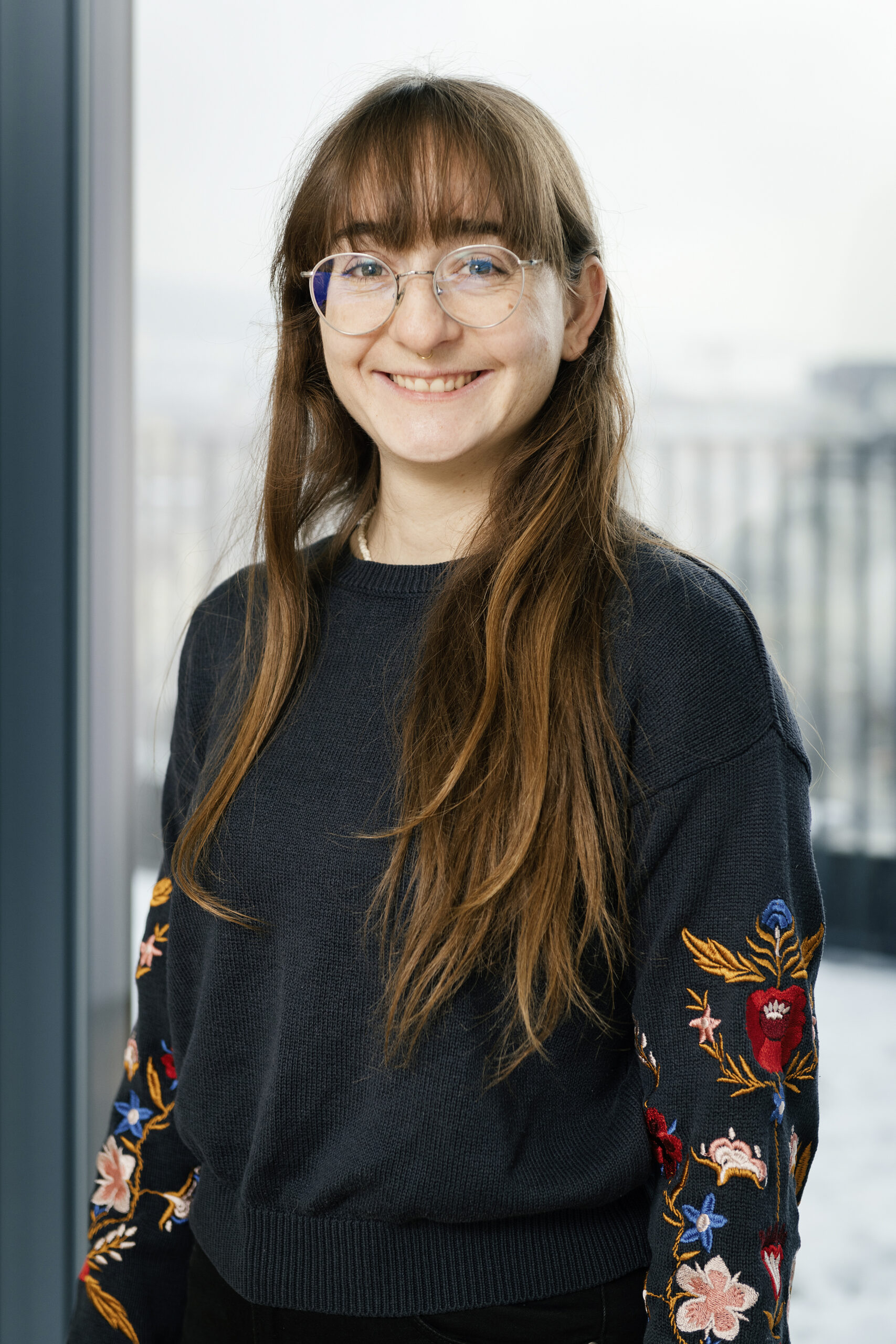
Paola Chietera, PhD
Former PhD Student